
All-terrain vehicles
An all-terrain vehicle (ATV), also known as a quad bike or four-wheeler, is any motorised off-highway vehicle designed to travel on four low-pressure tyres, with a seat designed to be straddled by the operator and handlebars for steering control. Like a motorcycle, an ATV is designed to be ridden “actively” where the rider shifts their weight on the vehicle to improve ride and handling.
There are two types of ATVs as designated by the manufacturer:
- type 1 are designed for use by a single operator and no passenger
- type 2 are designed for use by an operator and are equipped with a passenger seat located behind the operator.
Difference between a quad bike and an off-road buggy
Buggies are larger, car-like vehicles with a built-in roll cage that can seat between 2 to 6 people on bench or bucket seats. They have a steering wheel and pedals similar to a car; with most models equipped with a back tray for loads. Buggies are also known as a side-by-side vehicle (SSV) or utility vehicle (UTV).
Both quad bikes and off-road buggies have their own unique advantages and disadvantages for use in off-road recreational and agriculture settings.
Quad bike
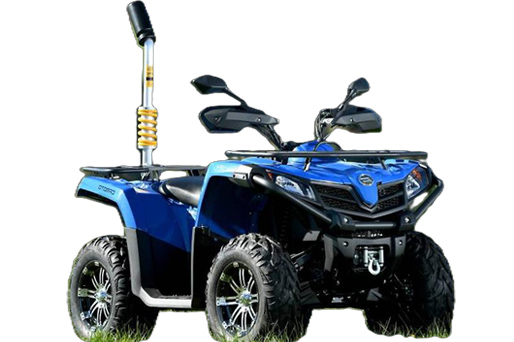
(quad bike with an operator protection device)
Off-road buggy
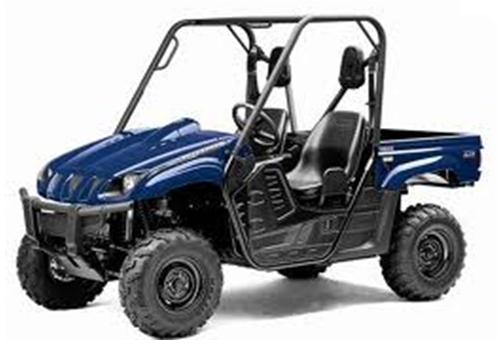
(4-wheel, side-by-side seating, usually fitted with seatbelts)
Resources
Related links
- Northern Territory Government - Motorcycles, quad bikes and scooters
- NT WorkSafe - Quad bikes in workplaces
- Motocycling NT
- FarmSafe Australia
- Worksafe QLD - Ride Ready campaign
- Product Safety Australia ACCC - Quad bike mandatory standards
- ACCC product safety - Quad bike and side-by-side vehicle guide